from Robyn Gobbel

from Robyn Gobbel

Herbs used to promote restful sleep
I get asked this question probably the most. Sleep is crucial. A lot of sedating medications can actually minimize the time our brains spend in REM, which is a very restorative phase in sleep. Of course there are times when sleep medications are life saving. Everything has context.
However, to answer this question, the herbs that can potentially help with sleep are: Skullcap, Hops, Valerian, Ashwagandha, and Chamomile. If you are purchasing a product or tea, be sure to research whether it is of a reputable quality. And if you’re taking psychiatric medications, be sure to ask your doctor about potential medication-herbal interactions.
My research (done while still pursuing my child fellowship) is downloadable through this publisher in the Journal of Cognition and Culture. It is entitled, Children’s Beliefs about Miracles. This was done in conjunction with the Developmental Psychology program at UT – Austin and led to more studies around reality testing and children’s concepts of “what is real.” If you have the time to read it, let me know what you think!
https://brill.com/view/journals/jocc/17/1-2/article-p73_5.xml
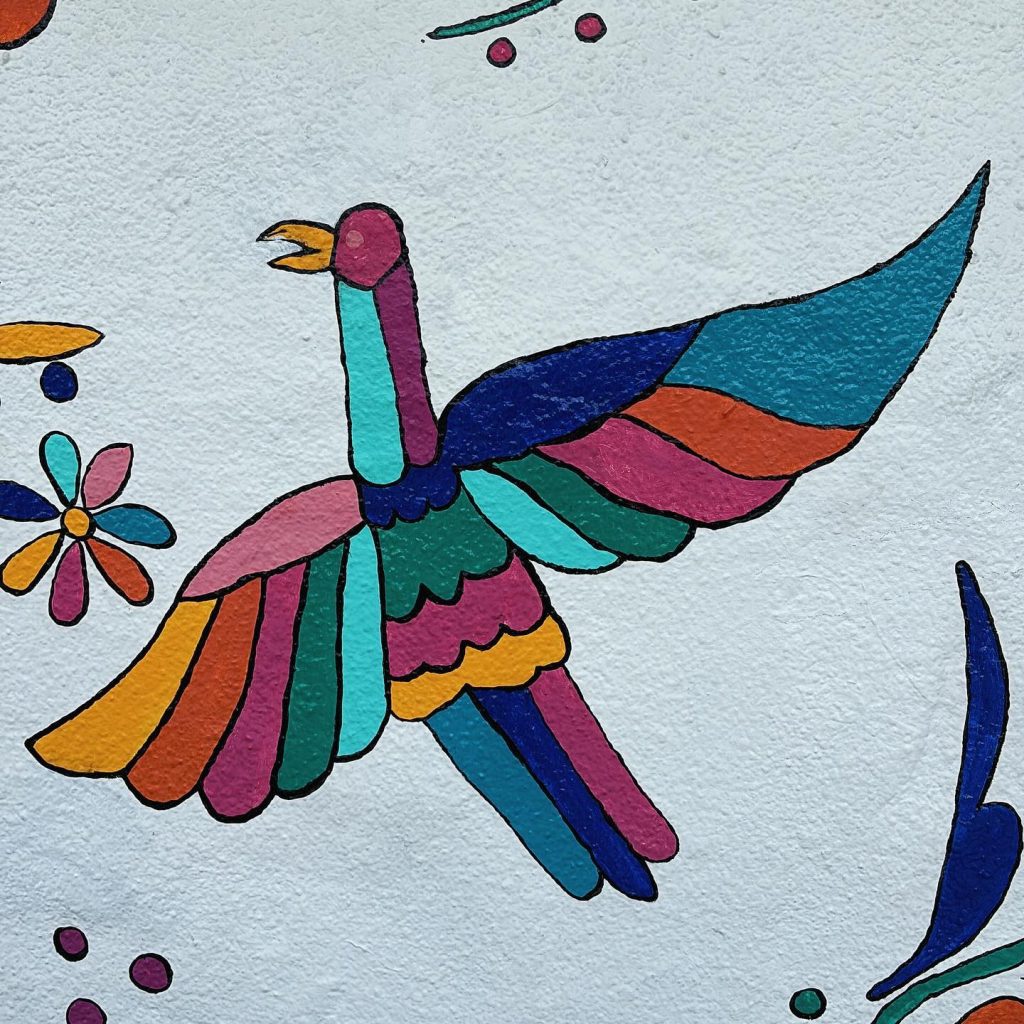
Did you know that birdsong actually calms the nervous system?

Sometimes all the words in the world can’t get at the sheer upset of having the wind knocked out of you. It can come with losing something or someone: a friendship, a relationship, or even things like our health, a job, a sense of identity. Elisabeth Kubler Ross wrote so systematically on this.
These losses can make us bitter and even angry toward those we feel hurt by – the ones who rejected us or the ones that left. But shifting our heart postures toward an identity of loving can help bring some heart-relief. We loved that friend. We loved that partner. We loved our family. And that is why it hurts. It stings. But the loss doesn’t define us, it’s the love that we had in us, that should. We loved. And that part can’t be taken away. The key is to keep this as our mainstay and not to let the bitterness root. To be the one that loved is blameless. And holding that posture – the tension of love over loss – is hard, but brings its own sense of peace.
Is empathy something that can be taught? Maybe? But I don’t think completely in a verbal sense. I think it is something to be learned first, experientially. But even before that, under the primer of a healthy attachment relationship forged under hours of repairs. Then, what helps, is a good deal of recognition in others and consequently in our selves, the feelings and emotions that can come with hurt and suffering.
How do we teach something to children who grow up not experiencing any of this? Where do we begin? “Regulation” is the buzz word of today and I do think much can be said for matching the state of someone’s nervous system to help us match in a resonant sense. But I think perhaps an emphasis on the awareness of empathy (both in a cognitive sense and an emotional sense) is just as important.
Placing ourselves in another’s shoes helps us understand the way they think and how they might feel. Even exploring the various types of empathy can be a spring board for understanding how to teach something that may be more naturally intuitive for some people. Working through images of facial expressions, story character development discussion, and even just emotion coaching can help us begin to teach empathy to children.
The highest sense of empathy, could be considered affective empathy and allows us to have compassion for one another and also ourselves. And ultimately, this allows for healing relationally.
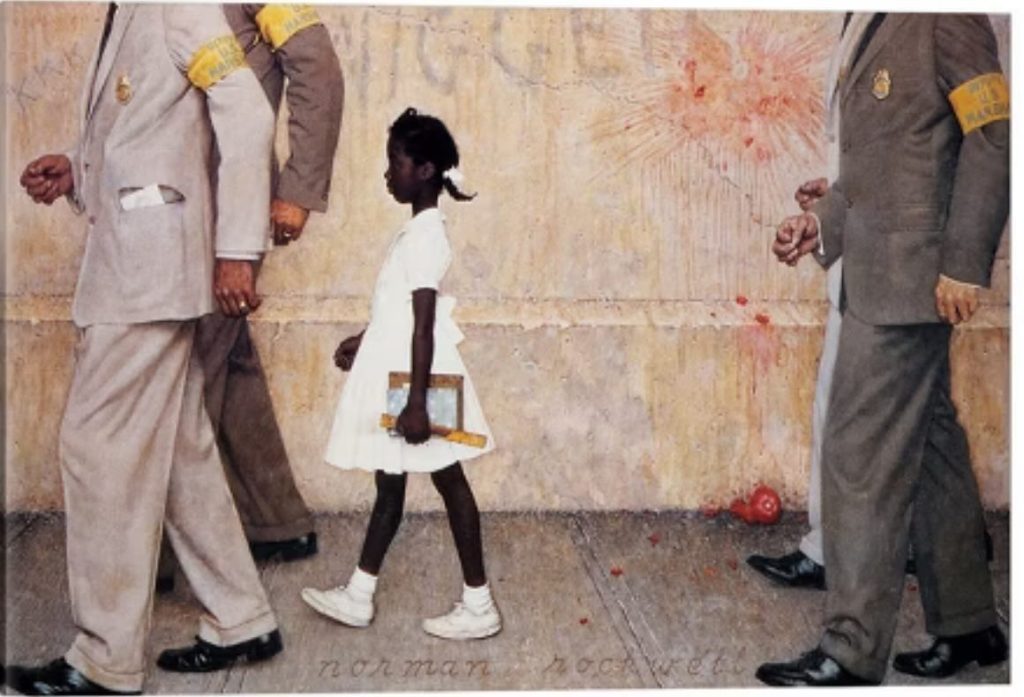
I believed it before but I feel it even more strongly today: education is the civil rights issue of our time. The schools are still segregated, but this time based on, economics, ability-level, and in some cases politics. I hear many stories of frustrated parents, disillusioned by the educational system in some way. Some hire advocates, others even lawyers. There is a whole field dedicated to law as it pertains to special education. There are many social support groups gaining momentum to help those who are lagging behind. Please reach out if you are in need of advocacy for your child in the school. There is hope. The landscape can change by the actions of a single child.
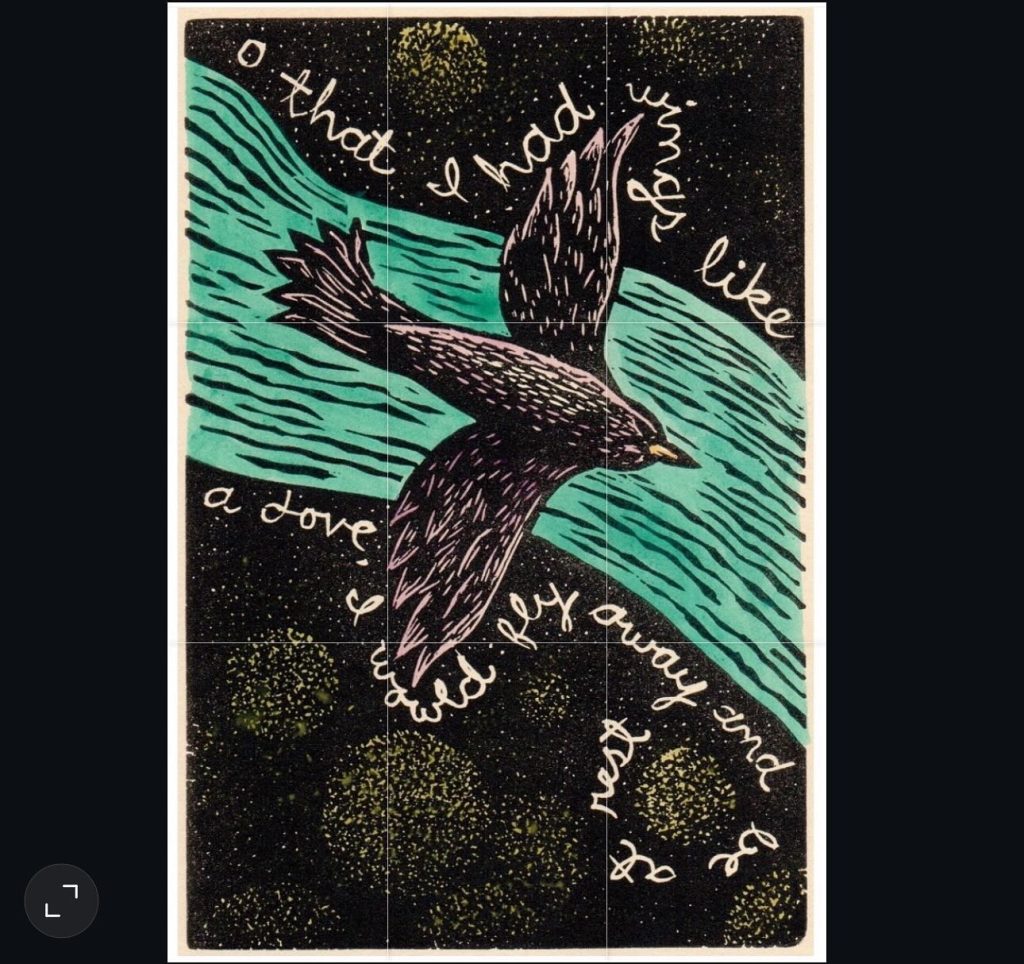
It is an odd notion that this is something our children in schools have to endure. School can be stressful for many, many reasons. Not just the academics, but the social piece, the cultural pulls, the peer comparison, the loneliness. How do we allow time for vulnerable nervous systems to decompress and reset? Each child is different and unique. Some may need quiet. Some may need to vent. Others might melt down. As caretakers, let’s be a quick studier of “what’s really going on with their behaviors” and release compassion and your own calm, parasympathetic state. Children and adolescents need to feel a comforting homecoming after school. Milk and cookies are sounding pretty good. Hugs and a non-judgmental posture can be so regulating.
art: @psalmprayers
From Dr. Dunham and Ms. Tara at Roots and Wings Psychiatry…
Hoping you are able to have some moments of quiet and a deep peace during the holiday season. Take some time to practice a minute of silence together with your family. Pause, reflect, and consider setting intentions for the new year. We made it through a difficult year. Hope is on the horizon.

“We become what we behold. We shape our tools and then our tools shape us.”
– Marshall McLuhan, Understanding Media
As a writer, I struggle to find the perfect opening. Something slightly confessional is always good. It confides in the reader, as if letting him in on a little secret. The screen before me tries to help by underlining misspelled words in red and fragment sentences in green. I alter thoughts based on the technology that precedes me. I edit, delete, and process words to dig a path for the message.
All this – movable text, grammar check, even thoughts laid out in horizontal lines to form what we call sentences – are tools we created for self-expression. Long before Freud and Jung captured internal states of mind, artists and poets did so in their chosen medium. The tradition of storytelling kept tribes together, forming communities around the spoken word.
The advent of the printing press changed everything. Reading became central to our habits of mind so much so that today, the illiterate are at quite a disadvantage. We start introducing ideas early by reading to babies. If you’ve ever done this, you know that they chew on books much like adults chew on ideas. We enter a text, take in whole arguments, and become fed by words.
Reflecting on my own media diet, I am struck (and a bit horrified) by how much I consume – not only words, but images and sound. I’ve had to be more selective of what I take in due to technology’s barrage of onrushing stimuli as my evolving media rituals contend with competing forces.
In the mornings, I fantasize waking up and drinking coffee over a real newspaper, but I usually check Instagram instead. NPR accompanies me on my commute to work. If I have a few minutes between patients, I will check email or catch up on a handful of text messages. Music is a necessity and often a regulating part of my diet. At night, I will tuck into a good book. I blog. I facebook. And yes, I’ve even texted my husband who is watching television in the other room.
I wonder how all this media consumption is affecting me. And as a child and adolescent psychiatrist, I wonder how it is affecting my patients. I speculate that certain faculties are developing, while others are regressing. I know my own reading habits have changed, due in part to the sound bite syndrome plaguing the airwaves. Even the way I use language has changed, as texting abbreviations sneak their way into casual conversation.
Perhaps these new technologies are a bit like learning a language. I’m amazed by how quickly children become versed in it. The beholding and the becoming turn literal during critical periods of plasticity. And we grow up shaped by the very tools we create.
The Millennial Generation’s identity is already being shaped as a result of these tools. They are more fluent in new technologies and learn to use them creatively. They are thought to be more peer-oriented by their use of social networking. And they are also more likely to be engaged with politics by “friending” the President online. While I’m excited about the possibilities, I also have reservations. For example, the push to multi-task borders absurdity as children text, listen to music, watch TV, and try to do homework all at the same time. Who knows what the impact is, and is there even time to consider it?
The trickle-down effects of mass media catch every facet of our lives and in essence provide a manmade ecosystem. On an international level, the messages sent through sound waves tell us how to perceive other countries. These attitudes permeate the psyche of a nation and can promote a sense of fear or sense of safety. On a cultural level, music can stylize a decade and a single book, like Harry Potter, can stir the moral imagination among a generation of youth. On an individual level, a photograph can retrieve an isolated memory and a handheld gadget can be a self-object.
As media becomes increasingly multimodal, I wonder how are we developing and what are we becoming? What is in its infancy? What is in its latency? And what is coming into age? And as the millennium opens, how can we as families better understand the world of our children?
Helpful Resources: